 By Rehan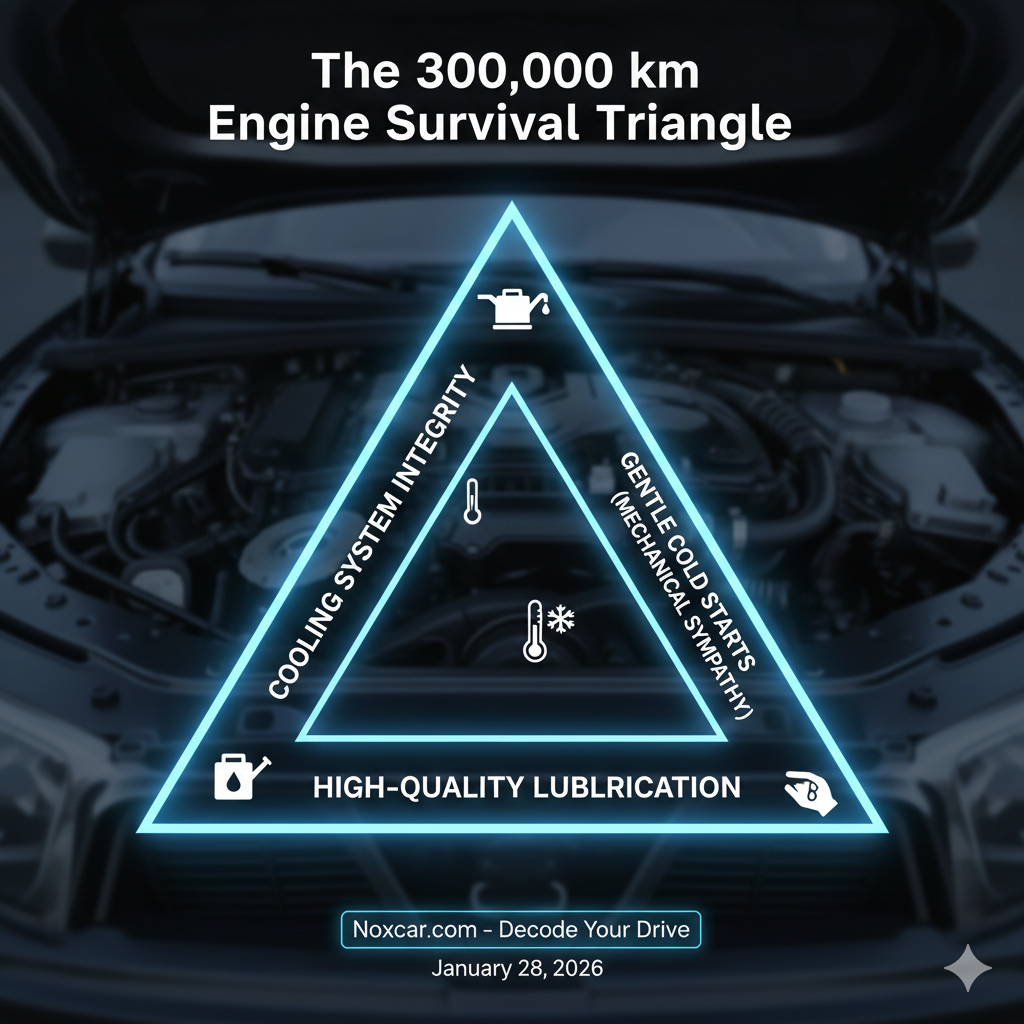
Why does your 2022 luxury SUV head for a rebuild at 80,000 km, while a 1998 Toyota Corolla runs perfectly at 400,000 km? It’s not a mystery—it’s science!
If you’ve ever wondered why some engines seem to last forever while others fail early, you’re not alone. Understanding engine longevity factors is the key to unlocking the secrets behind long-lasting engines. It’s not just about the brand or price tag — it’s about how engines are designed, managed, and maintained over time.
In this blog, we’ll explore the key reasons engines fail prematurely and how you can extend the life of your own engine. From thermal management and lubrication to engine design and material science, we’ll break down the core concepts that influence engine longevity.
By the end of this post, you’ll understand how to reach 300,000 km with your engine by recognizing the importance of maintenance, choosing the right engine, and following a proven strategy for engine care. Stay tuned to learn how to maximize your engine’s lifespan and avoid costly repairs.
The Engineering Gap: Simple vs. Stressed Designs
When it comes to engine longevity, design is a critical factor that often goes overlooked. The difference between an engine that lasts over 300,000 km and one that fails prematurely can come down to how simple or stressed the design is.
Displacement vs. Boost: Why “Lazy” Engines Last Longer
Engines that are “lazy” — those with a larger displacement and lower power output — tend to last much longer than their turbocharged counterparts. These engines are not under constant strain, which helps them handle heat and wear better over time. Take, for example, the Honda K24 engine: a naturally aspirated inline-4 with a larger displacement, it is known for its durability. These engines don’t push their limits, and as a result, they experience less internal stress, leading to longer lifespans.
On the other hand, turbocharged engines, although providing more power from smaller displacements, are inherently more stressed due to the high internal pressures generated by forced induction. The Ford 1.0L Ecoboost engine, for example, is often cited for its shorter lifespan due to the wear and tear caused by its high-pressure turbo setup.
Material Science: Cast Iron vs. Aluminum-Silicon
The materials used in an engine’s construction play a huge role in its longevity. Cast iron blocks are incredibly durable and better at managing the heat generated by the engine. Engines like the Toyota 22R and Mercedes OM606 used heavy-duty iron blocks, which helped them last far longer than engines made with lighter aluminum.
While aluminum is lighter and aids in fuel efficiency, it doesn’t have the same heat resistance as cast iron. That’s why many of the engines known for reaching 300,000 km or more, like the Mercedes OM617 diesel engine, used cast iron blocks to stand the test of time.
The Importance of “Overbuilt” Engines
Many engines, especially those that are known to last for hundreds of thousands of kilometers, are considered “overbuilt.” These engines are designed with extra durability in mind, often with robust parts that resist wear and tear better than their mass-produced counterparts. For example, the Toyota 2UZ-FE V8 engine is built with a level of strength that allows it to last far beyond its competitors.
In essence, the simpler, “lazy” engines with robust materials and careful engineering tend to last longer because they aren’t subjected to the same levels of stress, wear, and heat. By choosing the right engine design and materials, vehicle owners can dramatically extend engine life and avoid costly repairs down the line.
The GDI “Carbon Trap”: Why Modern Engines Die Early
As car manufacturers continue to innovate with fuel efficiency, the rise of Gasoline Direct Injection (GDI) engines has become a major development in modern vehicles. However, while GDI engines are designed to provide better fuel economy and lower emissions, they also come with a significant drawback that often shortens engine lifespan: carbon buildup on intake valves.
What is GDI and Why Does it Cause Carbon Buildup?
GDI engines work by injecting fuel directly into the combustion chamber under high pressure, which allows for more precise control over fuel distribution. This design improves fuel efficiency and performance, making GDI engines more eco-friendly and powerful.
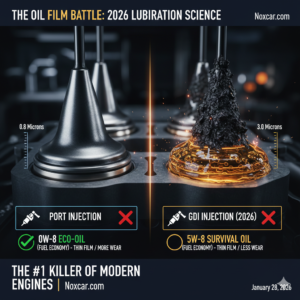
However, this system has a major flaw. Fuel no longer washes over the intake valves, which is a process that occurred in older port fuel injection (PFI) engines. In traditional PFI systems, fuel is sprayed into the intake manifold, cleaning the intake valves as it flows through. In GDI engines, fuel is injected directly into the combustion chamber, bypassing the intake valves and causing carbon deposits to accumulate on the valve surfaces over time.
The Consequences of Carbon Buildup
As carbon deposits accumulate on the intake valves, they disrupt the smooth flow of air and fuel into the engine, leading to a series of problems:
- Decreased performance: Carbon buildup can reduce engine efficiency, resulting in poor throttle response, rough idling, and overall loss of power.
- Increased fuel consumption: As the valves become clogged, the engine needs to work harder, which leads to higher fuel consumption.
- Engine misfires and rough running: Severe carbon buildup can cause misfires, resulting in inefficient combustion and potential engine damage.
The Fix: Walnut Blasting and Catch Cans
To prevent or clean up carbon buildup, Walnut Blasting is a highly effective method used by car owners and mechanics. This involves using crushed walnut shells to gently scrub the intake valves and remove carbon deposits without damaging the engine. Walnut Blasting should be done around 100,000 km or when performance starts to degrade. This process is essential to extend the life of GDI engines and is one of the key maintenance steps for reaching high-mileage milestones like 300,000 km.
Another preventative measure is the installation of a Catch Can. A catch can traps oil vapor before it enters the intake system, preventing it from contributing to carbon buildup. Regular maintenance of the catch can system helps keep the intake valves cleaner for longer.
Why Competitors Don’t Talk About GDI Issues
While most automotive blogs and resources mention oil changes, few highlight the issue of carbon buildup in GDI engines. This critical maintenance task is often overlooked by manufacturers and competitors because it’s not a common talking point—focusing instead on generic “maintenance schedules” that miss this important aspect.
Understanding the GDI carbon trap is essential for anyone who wants to keep their engine running smoothly for over 300,000 km. By taking preventive action like Walnut Blasting and installing Catch Cans, owners of GDI vehicles can extend the life of their engine and avoid costly repairs caused by poor airflow and fuel efficiency.
Thermal Cycling: The Silent Engine Killer
Thermal cycling, also known as heat cycling, is one of the biggest contributors to engine wear and failure. Many drivers are unaware that the way they drive, particularly how frequently they take short trips, can significantly impact the longevity of their engines.
How Short Trips Damage Engines
Every engine has an ideal operating temperature at which it performs most efficiently. During short trips, the engine doesn’t get the chance to fully heat up, which leads to moisture and unburned fuel accumulating in the oil. Over time, this can result in acidic sludge forming in the oil, which can damage engine components such as piston rings, bearings, and valves. This is often referred to as the “short trip syndrome”.
Engines need to run for at least 20 minutes to reach the optimal operating temperature, allowing the oil to evaporate moisture and burn off contaminants. Frequent short trips prevent this process and, over time, lead to premature engine wear and oil degradation.
The 20-Minute Rule
To prolong your engine’s life, try to incorporate longer drives into your routine when possible. The 20-minute rule is a simple yet effective guideline — aim to drive your car for at least 20 minutes at highway speeds to give the engine enough time to reach and maintain the right temperature. This practice significantly reduces the likelihood of moisture buildup in the oil, ensuring smoother operation and extending the engine’s lifespan.
The Lubrication Lie: Why “Manufacturer Intervals” Fail
One of the most commonly overlooked aspects of engine longevity is oil changes. Many manufacturers recommend oil change intervals of 15,000 km to 20,000 km, but this “long-life” oil change interval is often a marketing tool aimed at reducing the cost of ownership for new car buyers, not necessarily designed to maximize engine longevity.
Why Following Long Oil Change Intervals Can Be Detrimental
Modern oils, especially 0W-8 or 0W-16 oils, are designed primarily for fuel economy, but they don’t provide the same level of protection that older oils did. These thinner oils can sacrifice metal protection in favor of improving fuel efficiency, which isn’t ideal for high-mileage longevity.
In fact, sticking to the manufacturer’s long oil change intervals can result in insufficient protection, especially in high-stress engines or those subjected to harsh conditions (like city driving with frequent stop-and-go traffic).
The Real-World Reliability Oil Change Interval
To maximize engine longevity, 5,000 km to 8,000 km oil change intervals are a safer bet. Using higher quality oils with Zinc and Phosphorus additives (ZDDP) can help prevent engine wear and lubrication breakdown.
This also applies to older engines, which require more robust oils than modern, fuel-efficient ones. Regular oil changes with the right oil are essential for extending engine life beyond 300,000 km.
The Hall of Fame: Engines That Just Won’t Die
Some engines are famous for their longevity, and it’s no accident. These engines are overbuilt, meaning they were designed with more durability in mind than necessary. While modern engines often focus on fuel economy and emissions, these “Hall of Fame” engines were designed to endure.
Toyota 2UZ-FE (The Million-Mile V8)
The Toyota 2UZ-FE V8 is legendary for its reliability. Found in vehicles like the Toyota Sequoia and Tundra, this engine has been known to reach 500,000 km or more with proper maintenance. Its robust design and iron block make it a standout example of an engine that can last for decades.
Honda K24 (The Bulletproof Inline-4)
The Honda K24 engine is another example of a highly durable engine. Known for being extremely reliable, the K24 powers several models, including the Honda Civic and Accord. Its strong engineering, simple design, and moderate power output contribute to its long lifespan, often reaching 300,000 km or more without major issues.
Mercedes OM617 (The Diesel King)
The Mercedes OM617 diesel engine is one of the most famous diesel engines for longevity. Known to last well over 1,000,000 km, the OM617 was designed with an iron block and simple components, making it one of the most reliable engines ever produced.
These engines, built with over-engineered parts and simple designs, are a testament to the importance of engineering over complexity in ensuring longevity.
Best Recommendations for Engine Longevity
If you want your engine to join the 300,000 km club, it’s essential to follow the right maintenance practices.
Noxcar Tech Tip: The Oil Film Strength
As your engine ages and hits the 300,000 km mark, the gap between your piston rings and cylinder walls increases. This means the oil must provide even stronger protection. Higher shear stability oils are essential to prevent excessive wear. Make sure you are using the right oil for high-mileage engines.
Maintenance Checklist for 300,000 km Survival
- Frequent oil changes (5,000 km – 8,000 km intervals with high-quality oil)
- Regular GDI maintenance (Walnut Blasting and Catch Cans to reduce carbon buildup)
- Drive longer distances (at least 20 minutes to reach optimal engine temperature)
- Cooling system checks to avoid overheating and thermal cycling damage
- Use higher-quality filters to avoid contaminants
Conclusion
Reaching 300,000 km with your engine is not about luck — it’s about smart, proactive care. By understanding the key engine longevity factors, such as engine design, thermal management, and lubrication practices, you can keep your engine running for hundreds of thousands of kilometers.
To keep your engine in top condition:
- Avoid the “short trip syndrome” by ensuring your engine reaches its optimal temperature regularly.
- Be mindful of the oil you use, and don’t follow the manufacturer’s long oil change intervals.
- If you own a GDI engine, make sure to clean the intake valves periodically.
By following these guidelines, you’ll give your engine the best chance of reaching the 300,000 km mark and beyond.
Frequently Asked Questions
1. What are the key factors that affect engine longevity?
The main factors affecting engine longevity include engine design, thermal management, lubrication practices, and fuel efficiency. Engines that are simpler in design, with fewer stressed components, tend to last longer. Proper oil changes, managing heat, and cleaning intake valves (for GDI engines) also contribute to extending engine life.
2. Why do GDI engines fail earlier than other engines?
GDI engines suffer from carbon buildup on intake valves because fuel is injected directly into the combustion chamber, bypassing the intake valves. This leads to loss of performance and engine damage over time. Regular maintenance, including Walnut Blasting and the use of Catch Cans, can help prevent this issue.
3. How does thermal cycling shorten engine life?
Engines that are frequently subjected to short trips don’t have time to reach optimal operating temperature, causing moisture and unburned fuel to accumulate in the oil. This results in sludge buildup and increased engine wear. Regular long drives help keep the engine at the right temperature, promoting longevity.
4. How often should I change my engine oil to maximize its life?
For maximum engine life, avoid following the manufacturer’s long oil change intervals (15,000 km or more). Instead, change the oil every 5,000–8,000 km using high-quality oils with Zinc and Phosphorus additives. This ensures proper protection, especially for older or high-mileage engines.
5. Which engines are known for lasting over 300,000 km?
Engines known for their exceptional durability include the Toyota 2UZ-FE V8, Honda K24, and Mercedes OM617. These engines are typically overbuilt with strong materials like cast iron blocks and have simple, low-stress designs, allowing them to last well beyond the typical lifespan of most modern engines.