
 By Rehan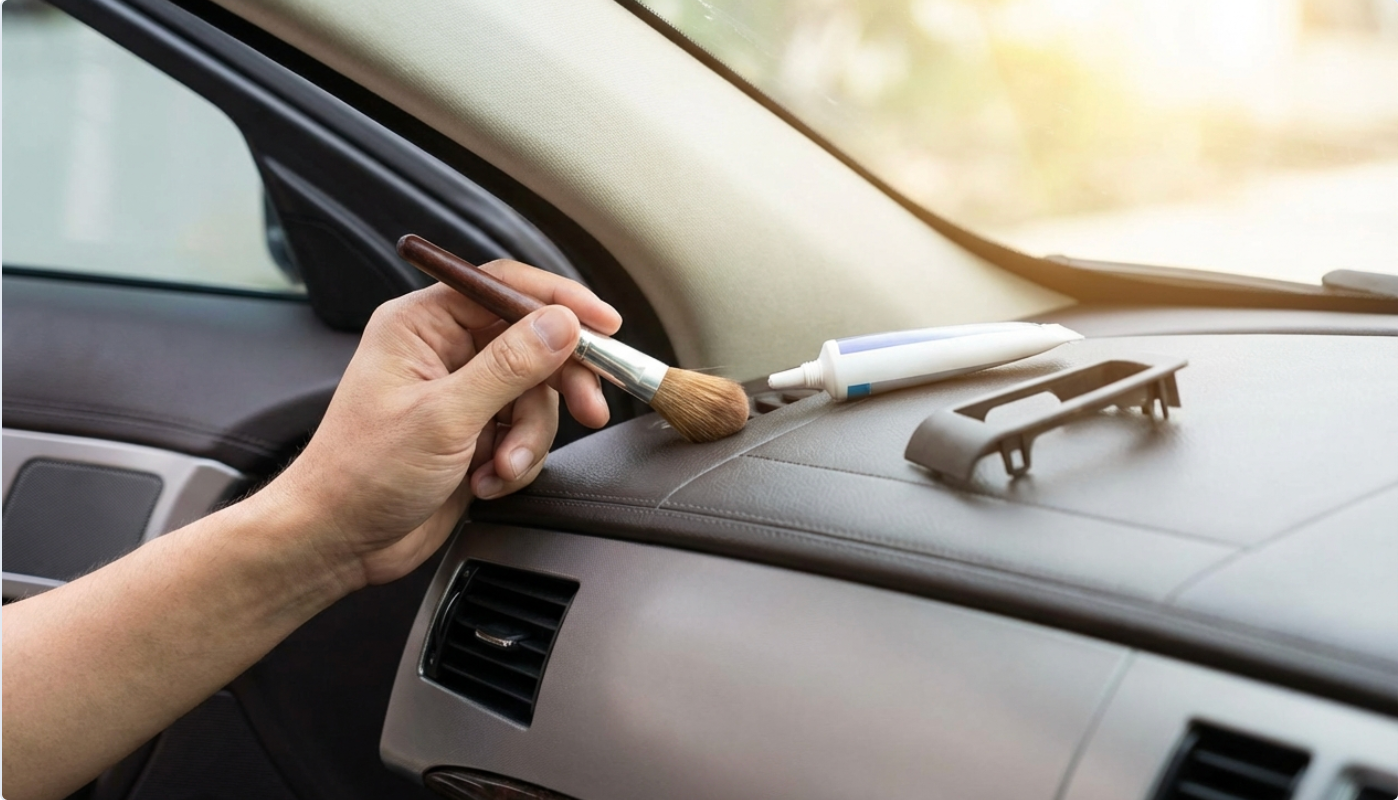
Why Does Your Car Interior Squeak?
If you’ve ever wondered why your car interior squeaks, you’re not alone. Whether it’s a subtle chirp when you hit a bump or a maddening creak during every turn, the noise can be both frustrating and persistent. Fortunately, understanding the reasons behind these squeaks is the first step toward reclaiming a peaceful driving experience.
Your car’s cabin is a complex assembly of plastics, metals, fabrics, and rubber components, all held together by fasteners, clips, and adhesives. Over time, these materials interact with each other, which often leads to unwanted noise. Some squeaks develop gradually as your vehicle ages, while others appear suddenly after temperature fluctuations or rough road conditions. The good news? Most interior squeaks are fixable without professional help, and preventing them is often easier than you’d expect.
The Science Behind Car Interior Noises
Before grabbing your toolkit, it helps to understand what’s actually happening when your interior starts making noise. Interior squeaks aren’t random; they follow predictable patterns based on physics and material science.
Friction and Material Contact Points
Every squeak you hear is the result of two surfaces rubbing against each other. Your dashboard alone contains dozens of separate plastic pieces that fit together like a three-dimensional puzzle. When these pieces shift even slightly, their edges can slide against one another, creating that characteristic squeaking sound.
The friction coefficient between materials determines how loudly they’ll squeak. Plastic-on-plastic contact tends to be the worst offender, especially when the surfaces are smooth and dry. Rubber-on-plastic can squeak too, but it often produces a different tone. Metal components typically rattle rather than squeak, though metal brackets touching plastic trim create their own unique noise profile.
Temperature Fluctuations and Thermal Expansion
Your car’s interior dimensions change throughout the day as temperatures fluctuate. Plastics expand when heated and contract when cooled, sometimes by several millimeters across larger panels. That dashboard that fits perfectly at 70°F might be slightly too large at 90°F or slightly too small at 40°F.
This thermal cycling creates gaps where none existed before or eliminates gaps that were providing necessary clearance. A panel that was silent in the summer might start squeaking in autumn as temperatures drop. This explains why many drivers notice their interiors are noisier during seasonal transitions.
Common Sources of Car Interior Squeaks
Knowing where to look saves hours of frustration. While squeaks can originate from almost anywhere, certain areas are notorious troublemakers.
Dashboard and Instrument Panel Vibrations
The dashboard is the most common source of interior noise. It spans the entire width of the vehicle, housing instruments, vents, speakers, and storage compartments. Each of these components represents a potential noise source.
The instrument cluster housing frequently develops squeaks where it meets the main dashboard structure. Air vents are another common culprit, especially the adjustable louvers that direct airflow. Even the plastic trim pieces around your infotainment screen can begin squeaking as their mounting clips wear out.
Door Panels and Window Seals
Door panels take significant abuse. Every time you close the door, the panel absorbs impact forces. Every time you roll down a window, the regulator mechanism moves behind the panel. Over time, the plastic clips holding the panel to the door frame can weaken or break entirely.
Window seals present their own challenges. The rubber weatherstripping that seals your windows can dry out and harden, losing its flexibility. When this happens, the glass may squeak against the seal during operation or even while driving as vibrations cause subtle movement.
Loose Seat Frames and Center Consoles
Seats contain metal frames, springs, foam padding, and fabric or leather covers, all of which can contribute to noise. The mounting bolts securing seats to the floor can loosen over time, allowing the entire seat to shift slightly during acceleration or cornering. Plastic trim pieces on seat sides frequently squeak against center consoles.
Center consoles themselves are often assembled from multiple plastic sections with integrated cup holders, storage bins, and armrest mechanisms. Each joint and hinge represents a potential squeak source, particularly the armrest lid that gets opened and closed repeatedly.
How to Fix Car Interior Squeaks: Step-by-Step Guide
Once you’ve identified the source of the squeak, addressing it usually follows a predictable process. Here are some simple fixes to get your car interior back to a quiet, peaceful state.
Applying Dry Lubricants and Silicone Sprays
For squeaks caused by friction between moving parts, lubrication is your first line of defense. Spray silicone lubricant onto a cloth rather than directly onto surfaces to avoid overspray on upholstery or glass. Apply a thin coating to both contact surfaces, then work the parts back and forth to distribute the lubricant evenly.
Dry PTFE lubricants work well for areas near fabrics or in locations where silicone spray might create a mess. These products go on wet but dry to a slippery powder that reduces friction without leaving residue.
Using Felt Tape and Foam Padding
When squeaks result from loose-fitting panels, adding material to fill gaps often provides a permanent solution. Felt tape works beautifully for thin gaps between plastic trim pieces. Cut small squares and apply them to contact points before reassembling panels.
Foam weatherstripping tape handles larger gaps effectively. It compresses to accommodate varying clearances while providing a cushioned barrier between surfaces. This approach works particularly well for door panels and center console components.
Tightening Fasteners and Trim Clips
Sometimes, the fix is simply mechanical. Interior trim relies on plastic clips that can break or lose their grip over time. Replacement clips are inexpensive and widely available for most vehicle makes and models. When reinstalling panels, ensure all clips seat fully with a satisfying click.
For seat-related noises, check the mounting bolts at each corner of the seat frame. These should be torqued to specification, but often a quarter-turn with a socket wrench eliminates movement that causes squeaking.
Preventative Maintenance Tips for a Quiet Ride
Fixing existing squeaks is satisfying, but preventing them from developing in the first place is even better. Regular maintenance will keep your interior quiet for years.
-
Park in the shade when possible to minimize temperature extremes inside your cabin. UV exposure also degrades plastics and rubber seals faster, accelerating the aging that leads to noise. If garage parking isn’t available, a windshield sunshade offers meaningful protection.
-
Clean your interior regularly with products designed for automotive plastics. Quality interior cleaners contain conditioners that keep materials supple and less prone to squeaking. Avoid household cleaners that can strip protective coatings from trim pieces.
-
Inspect weatherstripping around doors and windows periodically. Rubber conditioner applied twice a year keeps seals flexible and extends their lifespan. Cracked or hardened seals should be replaced before they start causing noise.
-
Address small noises immediately. A minor squeak today often indicates a clip or fastener that will fail completely tomorrow. A few minutes of investigation now can prevent a much larger repair later.
Conclusion
Your car’s interior will never be completely silent, but it shouldn’t sound like a percussion section either. With basic tools, the right materials, and a systematic approach to diagnosis and repair, you can eliminate most squeaks and rattles yourself. The key is understanding that these noises have identifiable causes and proven solutions. Start with the most likely sources, work methodically through each potential problem area, and you’ll rediscover what a quiet cabin actually sounds like.
Frequently Asked Questions
1. Why is my car interior squeaking?
Car interior squeaks are usually caused by friction between various materials like plastic, rubber, and metal. Over time, components like the dashboard, seats, and door panels can rub against each other, especially as temperatures fluctuate. The squeaking often becomes noticeable when parts shift or when the car’s interior undergoes expansion and contraction due to temperature changes.
2. How do I stop my car dashboard from squeaking?
To stop your car dashboard from squeaking, start by checking for loose or improperly fitted components. You can apply a silicone spray or dry PTFE lubricant to the contact points where plastic pieces rub together. If the squeak persists, consider using felt tape or foam padding to fill gaps between the panels and trim.
3. What causes the squeaking sound from my car door panels?
Squeaks from door panels are often caused by worn-out clips, loose fasteners, or dried-out rubber seals. Over time, the rubber weatherstripping around windows can become brittle, causing friction when the glass moves. Lubricating the door seals or replacing worn-out clips can help eliminate these squeaks.
4. Can temperature changes affect interior squeaks?
Yes, temperature fluctuations can significantly impact your car’s interior. As the cabin warms up or cools down, materials like plastic and rubber expand and contract, sometimes creating gaps or changing the fit between parts. This can lead to squeaks that weren’t present during more stable weather conditions.
5. How can I prevent squeaks in my car’s interior?
To prevent squeaks, park your car in a shaded area to reduce temperature extremes inside the cabin, clean the interior regularly with suitable products, and inspect weatherstripping around windows and doors. Applying rubber conditioner and addressing minor noises immediately can also help maintain a quiet ride.