
 By Rehan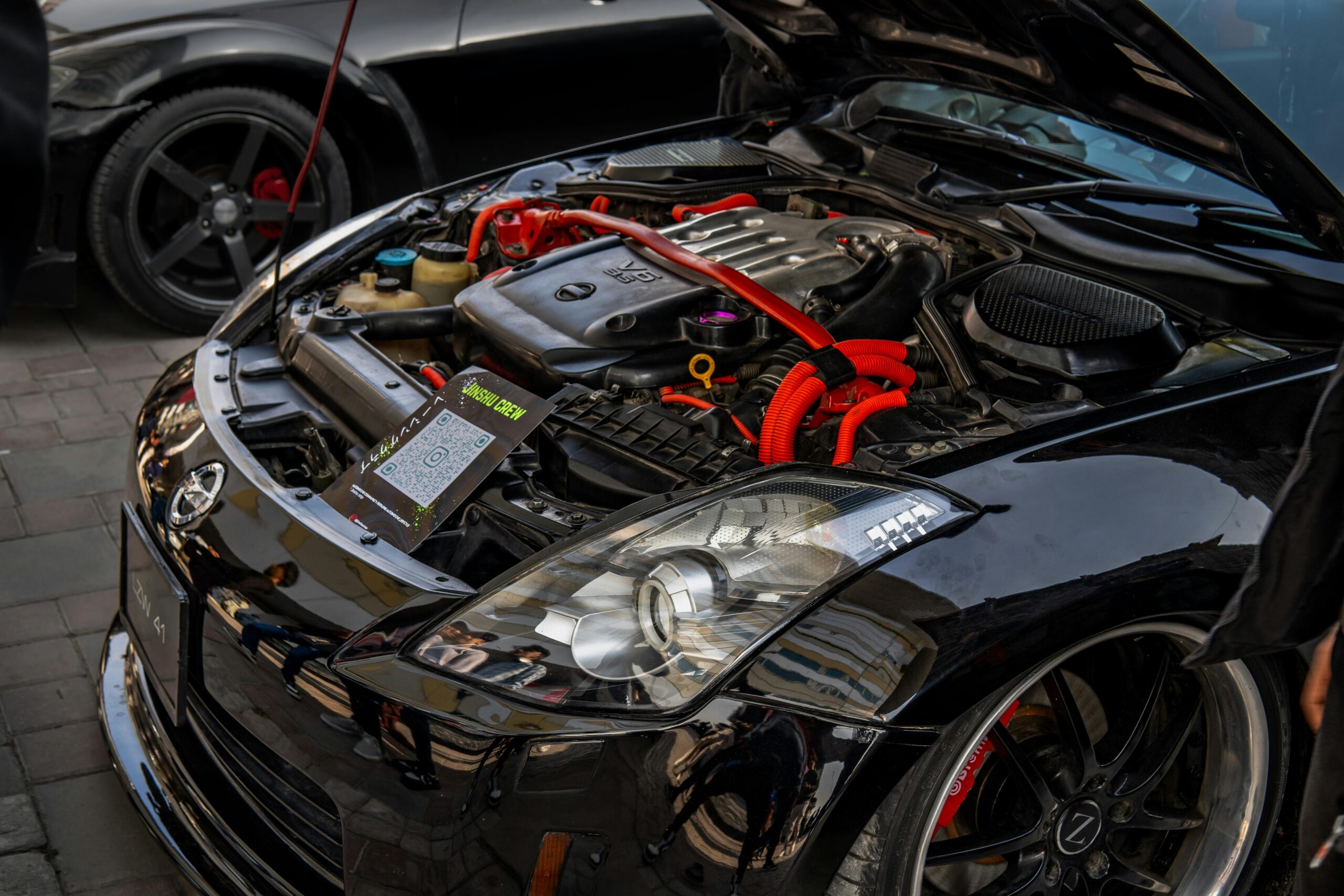
Modern cars feel faster, smoother, and more advanced than ever before, and understanding how modern cars are engineered helps explain why. They deliver impressive fuel economy, low emissions, and features that were once reserved for luxury vehicles. Yet at the same time, owners increasingly complain about heat-related issues, expensive repairs, electronic failures, and long-term reliability concerns.
This contradiction often leads to a simple conclusion:
“Cars used to be better built.”
That conclusion feels intuitive—but it’s incomplete.
Modern cars are not poorly engineered. In fact, they are more engineered than ever before. What has changed is what engineers are allowed to optimize for.
To understand modern cars, you must understand the compromises behind them.
Many people imagine car engineering as a straightforward pursuit of perfection.
The assumptions usually sound like this:
- Engineers should build engines that last forever
- Simpler designs must be better designs
- Reliability is just a matter of “doing it right”
- If something fails, it must be bad engineering
From the outside, modern cars can appear overcomplicated—smaller engines making more power, gearboxes with unfamiliar behavior, engines packed tightly under plastic covers, and dashboards controlled more by software than mechanical switches.
This creates the impression that engineers have lost their way.
In reality, engineers haven’t become worse.
They have become more constrained.
An engineer designing a modern car is not asking, “How do I make the best possible car?”
They are asking a far more difficult question:
“How do I make the best possible car within strict limits?”
Those limits define everything.
Modern engines must meet strict emissions standards across multiple countries, climates, and driving cycles. This alone dictates combustion temperatures, exhaust design, turbocharging strategies, and engine calibration.
Manufacturers face legal penalties if fleet-wide fuel economy targets are not met. This pushes lighter materials, smaller engines, higher operating temperatures, and aggressive software tuning.
Saving even a few dollars per vehicle matters when producing hundreds of thousands of units. Materials, tolerances, and component lifespans are carefully balanced against cost.
Pedestrian safety rules, crash structures, aerodynamics, and interior space all compete for the same physical volume. Engine bays have never been tighter.
The same car must function in cold winters, extreme heat, heavy traffic, highways, and poor road conditions—often with inconsistent maintenance.
Engineering today is not about perfection.
It is about survivable compromise.
To understand modern cars, you must stop looking at individual parts and start looking at systems.
Modern engines are smaller, turbocharged, and operate at higher pressures and temperatures than older designs.
Why?
- Smaller engines reduce emissions and fuel consumption
- Turbocharging recovers lost power
- Higher combustion efficiency meets regulatory targets
The trade-off is heat density.
Turbochargers, direct injection, and higher compression ratios all increase thermal stress. Components are pushed closer to their material limits, and engine longevity becomes more dependent on:
- Oil quality
- Cooling efficiency
- Driving patterns
- Maintenance discipline
These engines are not fragile—but they are less forgiving.
Modern transmissions exist to serve very specific goals.
- CVTs maximize fuel efficiency and emissions compliance
- Dual-clutch transmissions optimize acceleration and shift speed
- Traditional automatics balance comfort and durability
Each design solves one problem while introducing another.
CVTs trade mechanical robustness for efficiency.
DCTs trade smoothness and heat tolerance for performance.
No transmission type is universally “best”—only better suited for certain use cases.
When drivers experience unusual behavior, it is often the result of software prioritizing regulatory compliance over driving feel.
Cooling systems rarely receive attention until something goes wrong.
Modern engines:
- Run hotter by design
- Use compact radiators
- Rely on electric water pumps
- Use plastic components to save weight
Tight packaging reduces airflow. Higher operating temperatures improve efficiency. Lightweight materials reduce emissions.
The result is a cooling system with less margin for neglect.
A small failure—coolant degradation, a weak hose, or a failing sensor—can escalate quickly. This is not because cooling systems are poorly designed, but because excess capacity has been engineered out.
Modern cars rely on sensors, control units, and software to achieve efficiency and emissions targets that would be impossible mechanically.
Electronics allow:
- Precise fuel delivery
- Adaptive transmissions
- Stability and safety systems
- Optimized performance in test cycles
However, electronics age differently than mechanical parts.
Heat, vibration, moisture, and time slowly degrade connectors, sensors, and control units. While engines can often tolerate wear, electronics tend to fail abruptly.
This is the cost of precision.
Most of these compromises are invisible during:
- Short test drives
- Early ownership
- Media reviews
- Specification comparisons
Marketing focuses on outcomes, not consequences:
- Power figures without thermal context
- Efficiency numbers without real-world conditions
- “Lifetime” components without ownership timelines
By the time compromises reveal themselves, the car is often out of warranty—and the discussion shifts from engineering to blame.
Understanding engineering compromises changes how you own a car.
It explains why:
- Maintenance intervals matter more than ever
- Heat management is critical
- Driving style affects longevity
- Neglect is punished faster than before
Modern cars are not designed to tolerate abuse.
They are designed to function precisely within expected conditions.
When those conditions are ignored, problems appear—not because engineers failed, but because margins were deliberately minimized.
Noxcar does not judge cars by brand reputation or brochure claims.
Every car is evaluated as a system:
- What problem was it designed to solve?
- What constraints shaped it?
- Where did engineers compromise?
- What does that mean long-term?
A design choice is never “bad” in isolation.
It is only wrong for the wrong owner.
Understanding that difference is the foundation of intelligent ownership.
Modern cars are not worse than older cars.
They are simply engineered for a world with:
- Stricter regulations
- Higher expectations
- Lower tolerance for inefficiency
- Less room for error
They reward understanding and discipline.
They punish ignorance and neglect.
Once you see cars through this lens, they stop being confusing—and start making sense.
That clarity is what Noxcar exists to provide.
[…] More powerful engines or motors […]