Why SUVs Keep Getting Bigger
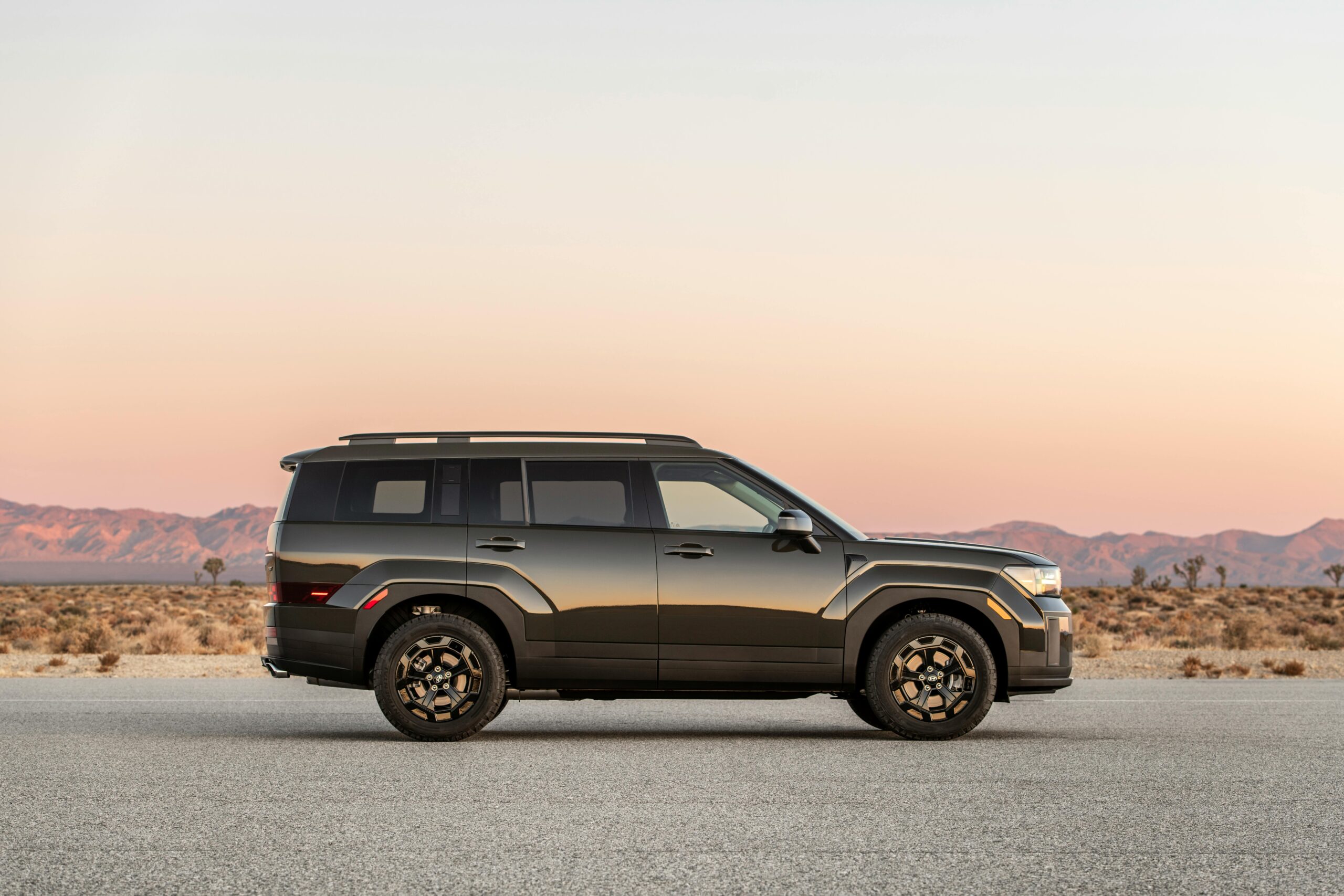
Why SUVs keep getting bigger is not just a design trend — it’s the result of safety regulations, engineering trade-offs, consumer psychology, and the way modern roads have evolved.Over the past two decades, SUVs have quietly grown in height, width, and weight, reshaping what “normal” vehicle size means.
It’s a question almost every driver notices, but very few people truly understand. Park a 2024 SUV next to one from the early 2000s and the difference is impossible to ignore. They are wider, taller, heavier, and more imposing. Even vehicles still called “compact SUVs” today are often larger than what used to be considered full-size family cars.
Most explanations stop at convenience or consumer preference. People say buyers want more space, or that families are bigger, or that Americans simply like large vehicles. Those answers sound reasonable—but they are incomplete.
The real reasons SUVs keep growing have very little to do with fashion alone. They are rooted in safety regulations, engineering constraints, emissions rules, crash physics, manufacturing economics, and human psychology. Once you understand these forces, the size increase stops looking accidental. It becomes inevitable.
This article breaks down why SUVs keep getting bigger, from the inside out, without hype, without fear-mongering, and without marketing language.
SUVs Were Never Supposed to Look Like This
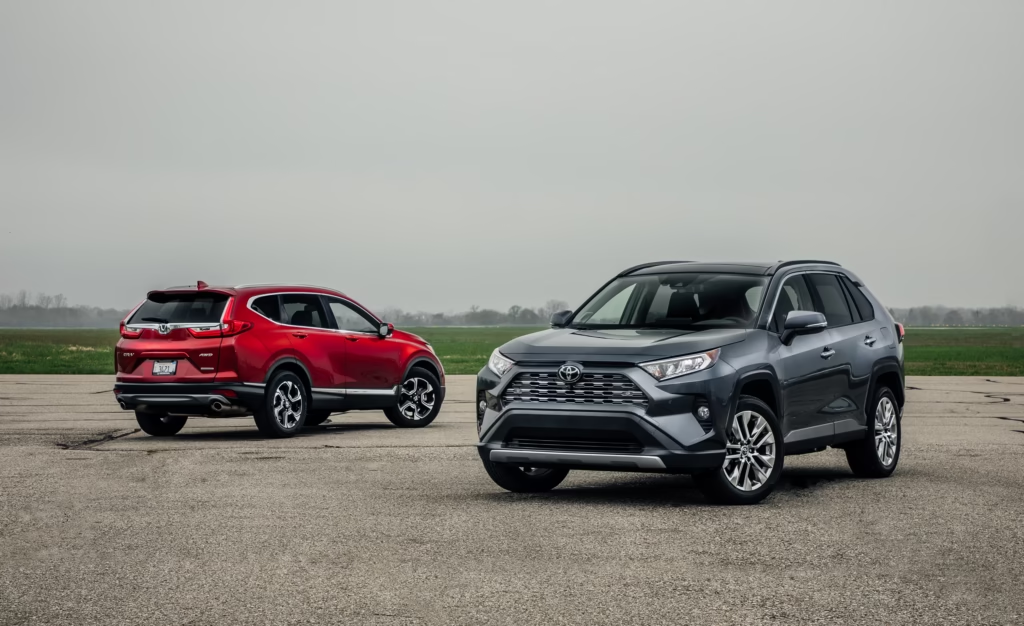
Early SUVs were not designed to dominate roads. They were utilitarian machines—body-on-frame vehicles meant for rough terrain, towing, or work. Think early Ford Explorers, Jeep Cherokees, or Toyota 4Runners. They were tall, yes, but relatively narrow and light by today’s standards.
Modern SUVs are something else entirely. Most are now unibody vehicles, closer in construction to passenger cars than trucks. Yet paradoxically, they are bigger than ever.
This is where the first misunderstanding begins. People assume size growth means ruggedness. In reality, modern SUVs are larger because engineering requirements have expanded around them, not because engineers want bulk.
Safety Regulations: The Hidden Driver of Growth
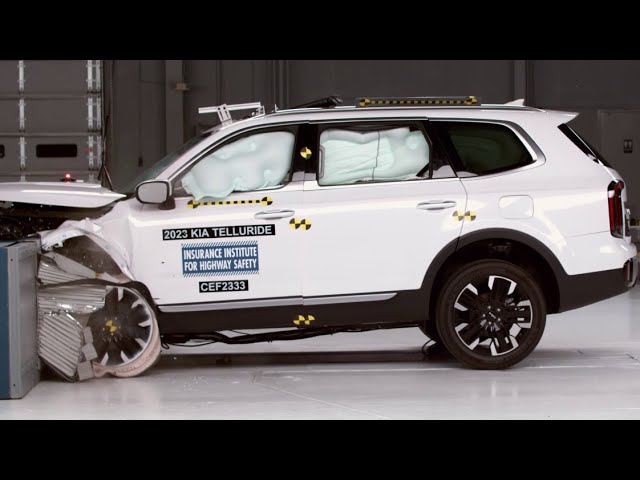
One of the biggest reasons SUVs keep getting bigger is crash safety regulation.
Modern vehicles must survive and perform well in:
- Front offset crashes
- Side-impact collisions
- Roof-crush tests
- Pedestrian impact regulations
- Small-overlap tests introduced by IIHS
Each of these requires physical space.
Crumple zones cannot be thin. Side-impact protection needs door thickness. Roof strength demands stronger pillars. Pedestrian safety rules require hood clearance between the metal skin and hard engine components.
As safety standards become stricter, vehicles must grow outward or upward to absorb energy safely. Smaller vehicles simply run out of room to engineer protection without compromising interior space.
SUVs, because of their height and mass, allow engineers more packaging flexibility. The easiest way to meet modern safety rules without sacrificing comfort is to increase size.
This is not optional. Automakers design vehicles to pass tests first—everything else comes later.
Weight Gain Forces Size Gain
Safety features add weight. There is no escaping that.
- Airbags
- Reinforced frames
- Advanced driver-assistance sensors
- Thicker glass
- Sound insulation
- Structural bracing
Every generation adds hundreds of pounds. Once a vehicle gains weight, engineers must compensate with:
- Larger brakes
- Wider tires
- Stronger suspension
- More powerful engines or motors
Those systems require physical space.
A heavier SUV cannot remain narrow and low without compromising stability, ride quality, or durability. So it grows wider and taller to maintain safe proportions.
This creates a feedback loop: safety adds weight → weight requires stronger components → components require more space → vehicle grows.
Why Emissions Rules Paradoxically Favor Bigger SUVs
This is one of the least discussed reasons why modern SUVs are bigger.
In the United States, fuel economy and emissions standards are partially footprint-based. This means allowable targets depend on a vehicle’s wheelbase and track width.
Larger vehicles are allowed less strict efficiency targets than smaller ones.
As a result:
- Making a vehicle slightly bigger can reduce regulatory pressure
- Small SUVs face tougher efficiency requirements
- Larger SUVs have more compliance flexibility
This unintentionally encourages manufacturers to avoid ultra-compact designs.
It’s not that automakers want to pollute more. It’s that the regulatory structure makes larger vehicles easier to certify profitably.
Consumer Psychology: Bigger Feels Safer
Now we move from engineering into human behavior.
One major reason SUVs keep getting bigger is perception. People associate:
- Height with safety
- Mass with protection
- Size with control
Even when crash statistics don’t always support these feelings, they strongly influence buying decisions.
Drivers feel more confident sitting higher. Parents feel more secure with more metal around their family. In traffic filled with large vehicles, smaller ones feel vulnerable—regardless of actual safety ratings.
This creates an arms race of size. As average vehicle size increases, buyers feel pressure to match it.
Manufacturers respond to what sells, not what feels philosophically correct.
The American Road Environment Encourages Growth
Why are SUVs so big now, especially in the US?
Because American infrastructure allows it.
- Wide roads
- Large parking spaces
- Long commuting distances
- Cheap fuel (historically)
- Suburban sprawl
In Europe or Japan, narrow streets and limited parking constrain vehicle size. In the US, those constraints barely exist.
Designs evolve to fit their environment. In America, the environment favors larger vehicles.

Interior Space Expectations Have Changed
Modern buyers expect:
- Wide seats
- High seating positions
- Flat floors
- Large infotainment screens
- Panoramic roofs
- Third-row seating
These features require width, height, and structural support.
A modern SUV interior would be impossible to package inside a 1990s-sized body without major compromises. People are simply not willing to accept those trade-offs anymore.
Vehicles grow because expectations grow.
Platform Sharing Pushes SUVs Upward
Automakers now build vehicles on shared platforms to reduce costs.
When a platform must support:
- Sedans
- SUVs
- Hybrids
- EVs
It becomes larger and stronger by necessity.
SUVs often sit on the largest version of these platforms because they must accommodate:
- All-wheel drive
- Larger batteries
- Towing loads
- Higher ground clearance
Once a platform grows, every vehicle using it inherits that size.
EV Transition Is Making SUVs Even Bigger
Electric vehicles accelerate the size trend.
Battery packs:
- Are heavy
- Take up floor space
- Require crash protection
- Benefit from wider tracks
SUVs provide the ideal shape to house batteries without destroying interior usability.
That’s why many automakers launched electric SUVs first. The form factor works.
As EV adoption grows, SUV proportions grow with it.
Why Downsizing Is Unlikely to Reverse the Trend
Will SUVs ever get smaller again?
Unlikely.
- Safety rules will not relax
- EV batteries will remain heavy
- Consumer expectations are locked in
- Infrastructure supports size
- Profit margins are stronger on larger vehicles
The market has structurally shifted.
What may change is efficiency, not size. Lighter materials, better aerodynamics, and smarter powertrains will offset mass—but physical dimensions will likely remain large.
The Real Answer, Summarized
So why do SUVs keep getting bigger?
Not because engineers are careless.
Not because buyers are shallow.
Not because automakers want excess.
They keep getting bigger because modern vehicle design decisions are constrained by safety, regulation, physics, and human behavior.
Once all these forces align, growth becomes the path of least resistance.
Understanding this helps you see modern vehicles clearly—without nostalgia, without anger, and without marketing illusions.
Final Thought: Size Is a Symptom, Not the Problem
SUV size is not the disease. It’s the symptom.
A symptom of stricter safety standards.
A symptom of regulatory frameworks.
A symptom of changing consumer psychology.
A symptom of technological transition.
Once you see the full system, the question changes from why SUVs keep getting bigger to what trade-offs are we willing to accept going forward.
And that is the real conversation worth having.